


Most Web3 products lose users at the first wallet connection, signature request or unexplained pending transaction — moments that decide retention more than any roadmap.
This guide covers which product design agencies work with Web3 platforms and how to choose one. At U1CORE, we design and build crypto products through our Web3 design and development work — so we'll show how we approach it.
Why Web3 products need a different kind of product design
Every action carries financial risk. In most software, a wrong click is undone with a back button. In Web3, a signed transaction is final, so the interface has to earn trust at every step.
The protocol leaks into the interface. Nonces, gas, chain IDs, token approvals and contract addresses are real constraints, but most users should never have to reason about them directly.
Trust is the product. Wallets, custody products and DeFi platforms compete on whether users believe their funds are safe. Clear states and honest explanations build that, not visual polish.
Typical failure points we see in Web3 products:
- Wallet connection — too many wallet options with no guidance, unclear network switching, and silent failures when a connection drops.
- Signing requests — unreadable payloads, no human-language summary of what the user is approving, and unlimited token approvals by default.
- Transaction states — "pending" with no time estimate, no link to the explorer, and no explanation when a transaction fails or is replaced.
- Onboarding — seed phrase backup presented as a wall of warnings, or skipped entirely, with no recovery strategy.
What a Web3-focused agency actually fixes
Signing that people understand. A good partner turns raw signature requests into plain statements: what is being approved, which asset, how much, and what happens next. Where the protocol allows, it designs scoped approvals instead of unlimited ones.
Onboarding that matches the user's level. Experienced users want to connect a wallet and go. New users need guided setup, safe backup or a recovery alternative, and a low-risk first transaction. Both paths should exist without forcing one group through the other's flow.
Transaction feedback across the full lifecycle. Submitted, pending, confirmed, failed, replaced — each state needs its own screen logic, copy and recovery action.
Crypto and fiat in one coherent product. Many products now combine on-chain assets with cards, bank transfers and compliance flows. The work is making them feel like one account, not two products stitched together.
A design system that holds under complexity. A shared component library keeps addresses, amounts, network badges and risk warnings consistent as chains and features accumulate.
How to choose an agency for Web3 product design
Look for shipped products, not concepts. Ask for live wallets or exchanges and post-launch results.
Test their understanding of the mechanics. A credible partner can explain the difference between a signature and a transaction, why token approvals matter, and how to design for a stuck transaction. If they can't, your engineers will redo their screens.
Check whether they can build. Web3 interfaces depend on wallet libraries, RPC behaviour and smart contract constraints. Agencies that also develop catch these issues during design instead of after handoff.
Ask how they handle security and compliance input. On-ramps, custody and card products bring KYC, AML and audit requirements, so the agency should work comfortably alongside your security, legal and compliance teams.
Prefer calm over hype. Established Web3 businesses want products as dependable as a bank app.
Top 7 agencies for Web3 product design
1. U1CORE
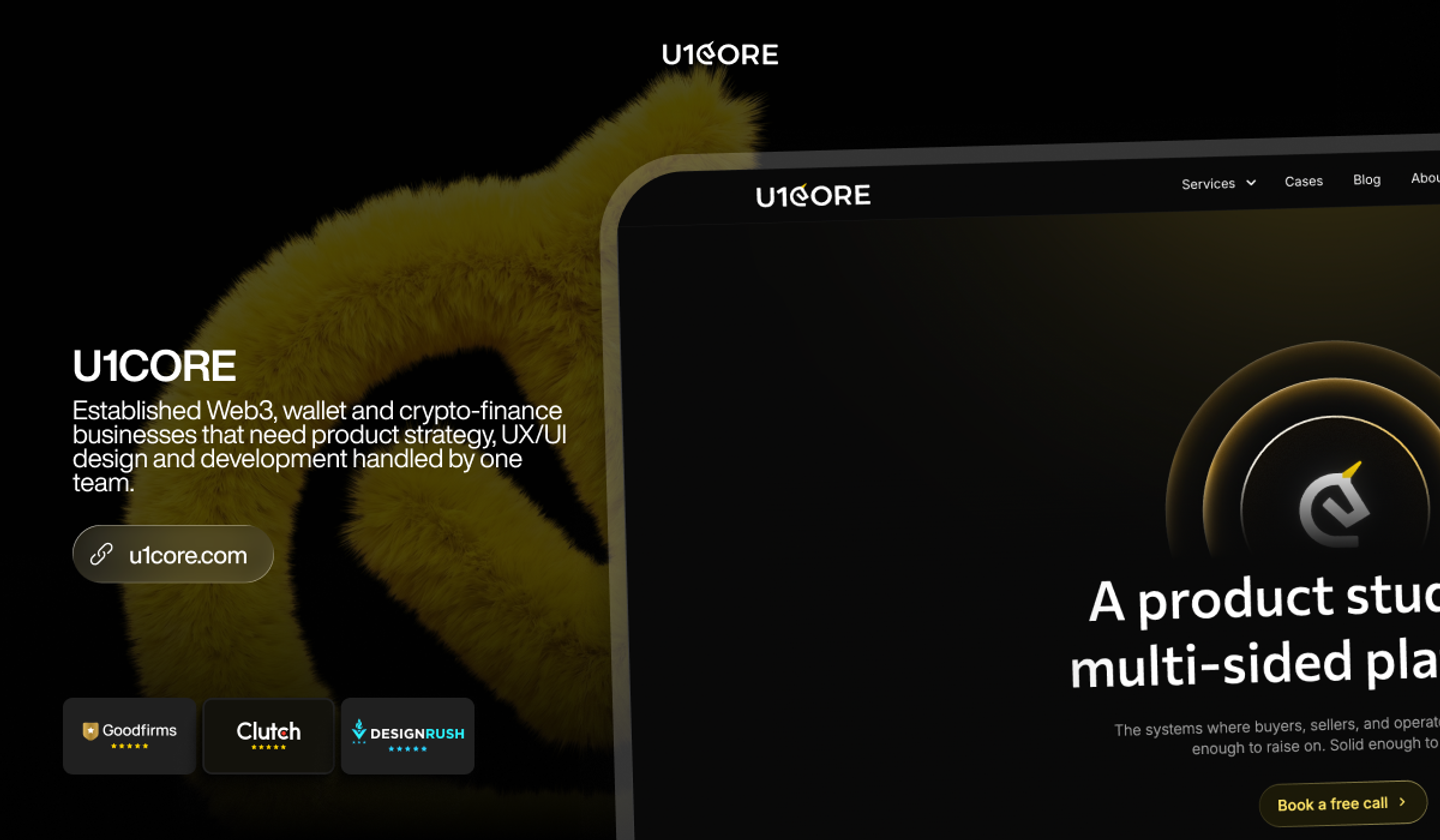
Best for: Established Web3, wallet and crypto-finance businesses that need product strategy, UX/UI design and development handled by one team.
U1CORE is a product partner for strong businesses whose digital and operations don't yet play at their level. For Web3 and crypto clients, we work where trust is won or lost: wallet onboarding, signing, transaction states and the connection between crypto and fiat. Our work includes Crypto Card, a crypto and fiat mobile banking app, and platforms we have built have processed over $1B. We work from Tallinn, London, Madrid, Warsaw, Dubai, New York and San Francisco, and hold reviews on Clutch (52), Upwork (103), GoodFirms (37) and DesignRush (31).
What U1CORE does on Web3 projects:
- Product Strategy — scope, user segments and priorities based on where users currently drop off.
- UX audit — review of wallet connection, signing and transaction flows against real usage data.
- UI/UX Design — onboarding, signing summaries, transaction states, portfolio views and risk messaging.
- Mobile design — wallet and crypto banking apps for iOS and Android.
- Custom software development — front-end and platform development, wallet integrations and fiat flows.
- Branding — identity that reads as credible to users and partners, not speculative.
Why teams choose U1CORE: one team takes the product from strategy to shipped code, with technical constraints in view.
2. Clay
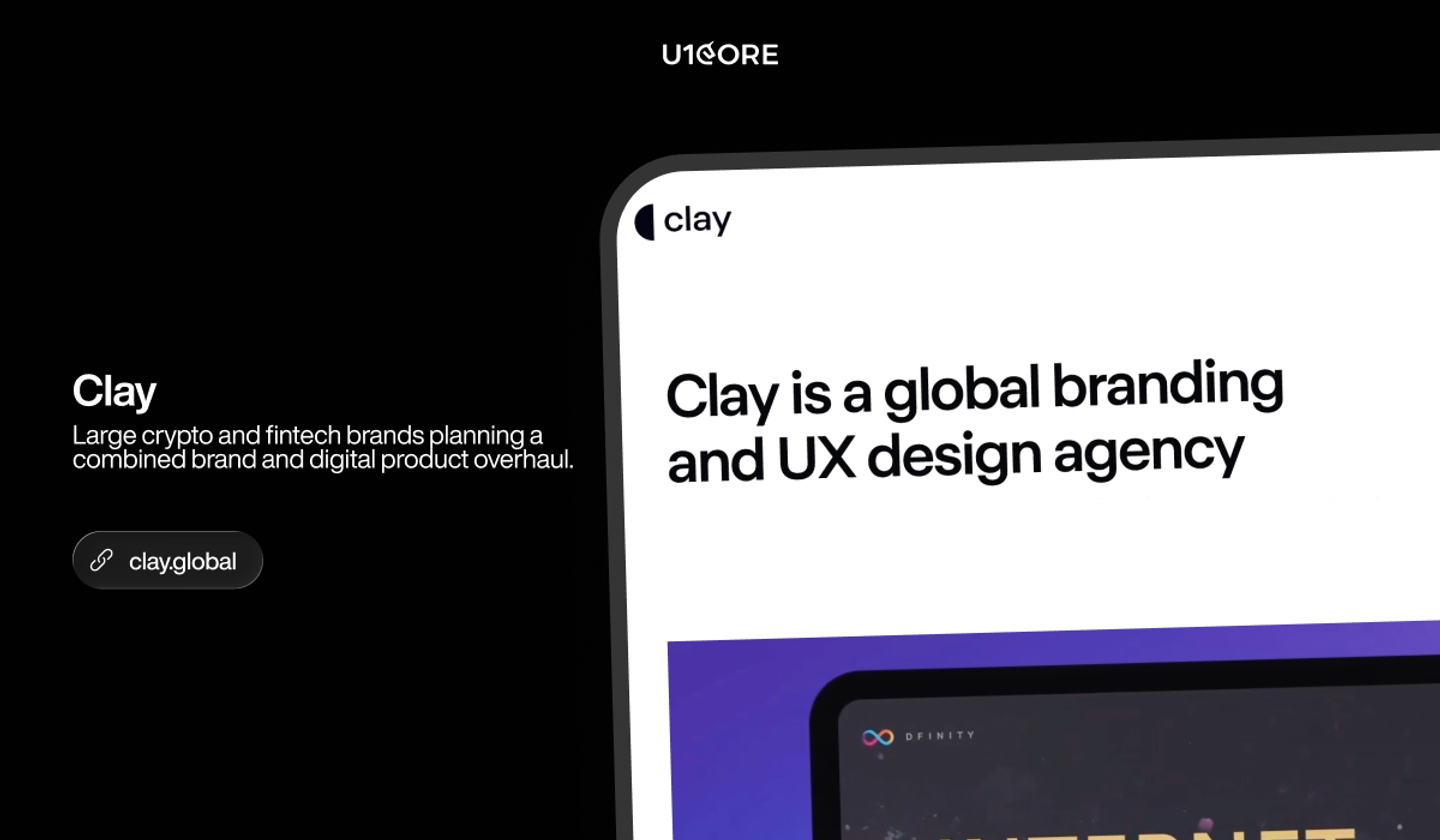
Best for: Large crypto and fintech brands planning a combined brand and digital product overhaul.
Clay is a San Francisco-based branding and UI/UX agency known for work with major technology and financial brands, including crypto companies.
3. 10Clouds
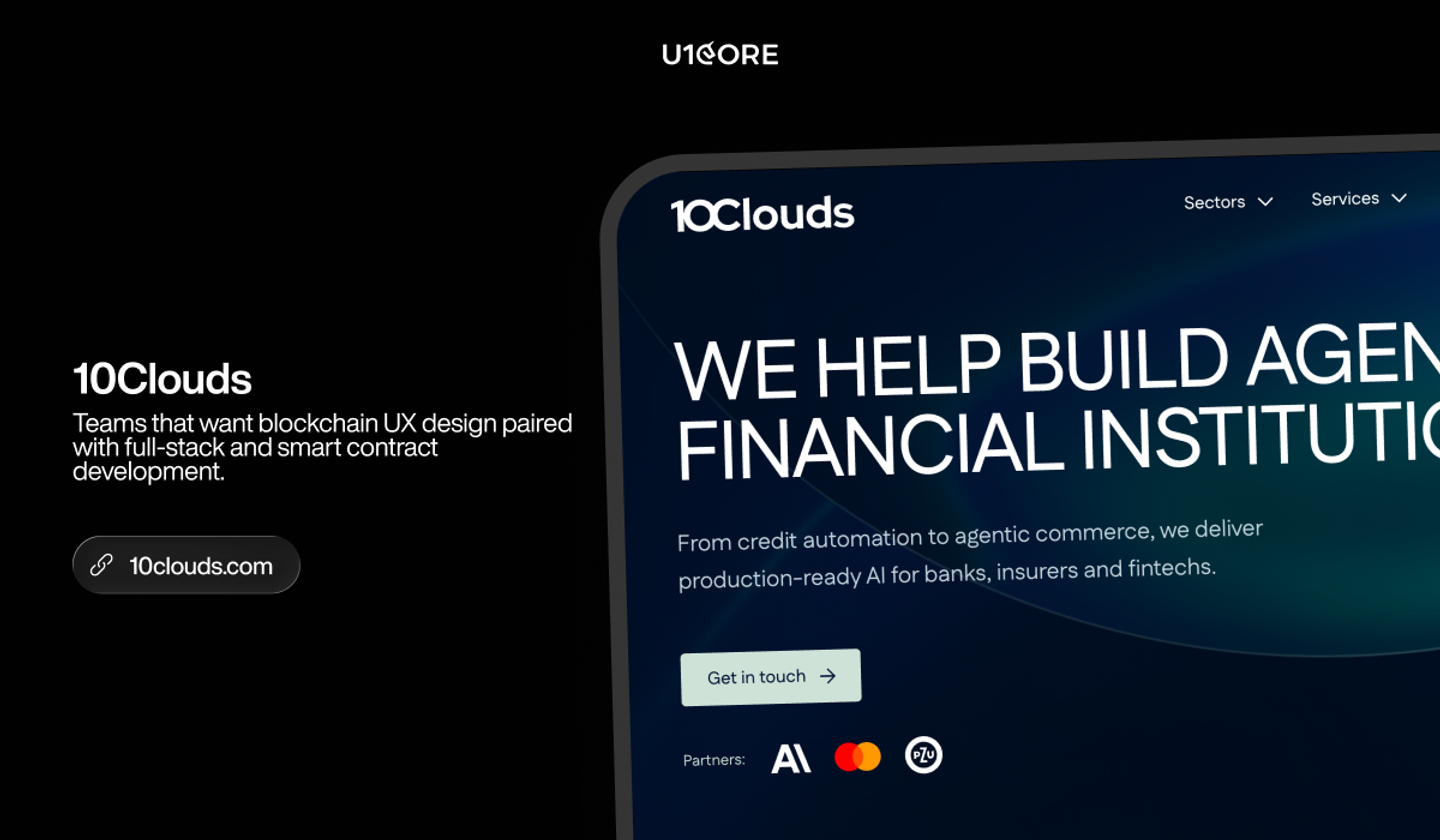
Best for: Teams that want blockchain UX design paired with full-stack and smart contract development.
10Clouds is a Warsaw-based software company with a long-running blockchain practice that combines design and engineering.
4. Lazarev.agency
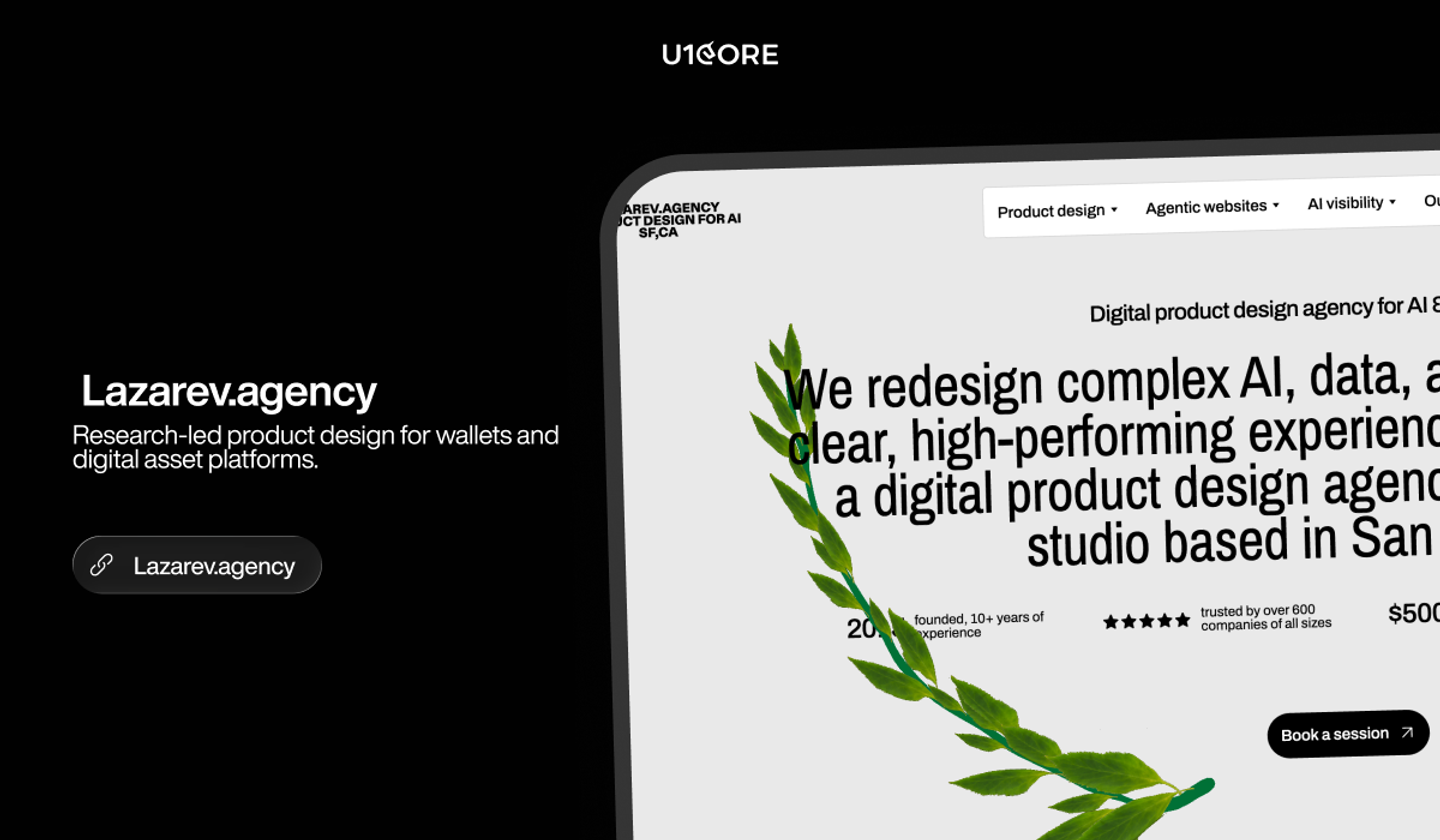
Best for: Research-led product design for wallets and digital asset platforms.
Lazarev.agency is a product design agency known for UX work on fintech, AI and Web3 products.
5. Merge
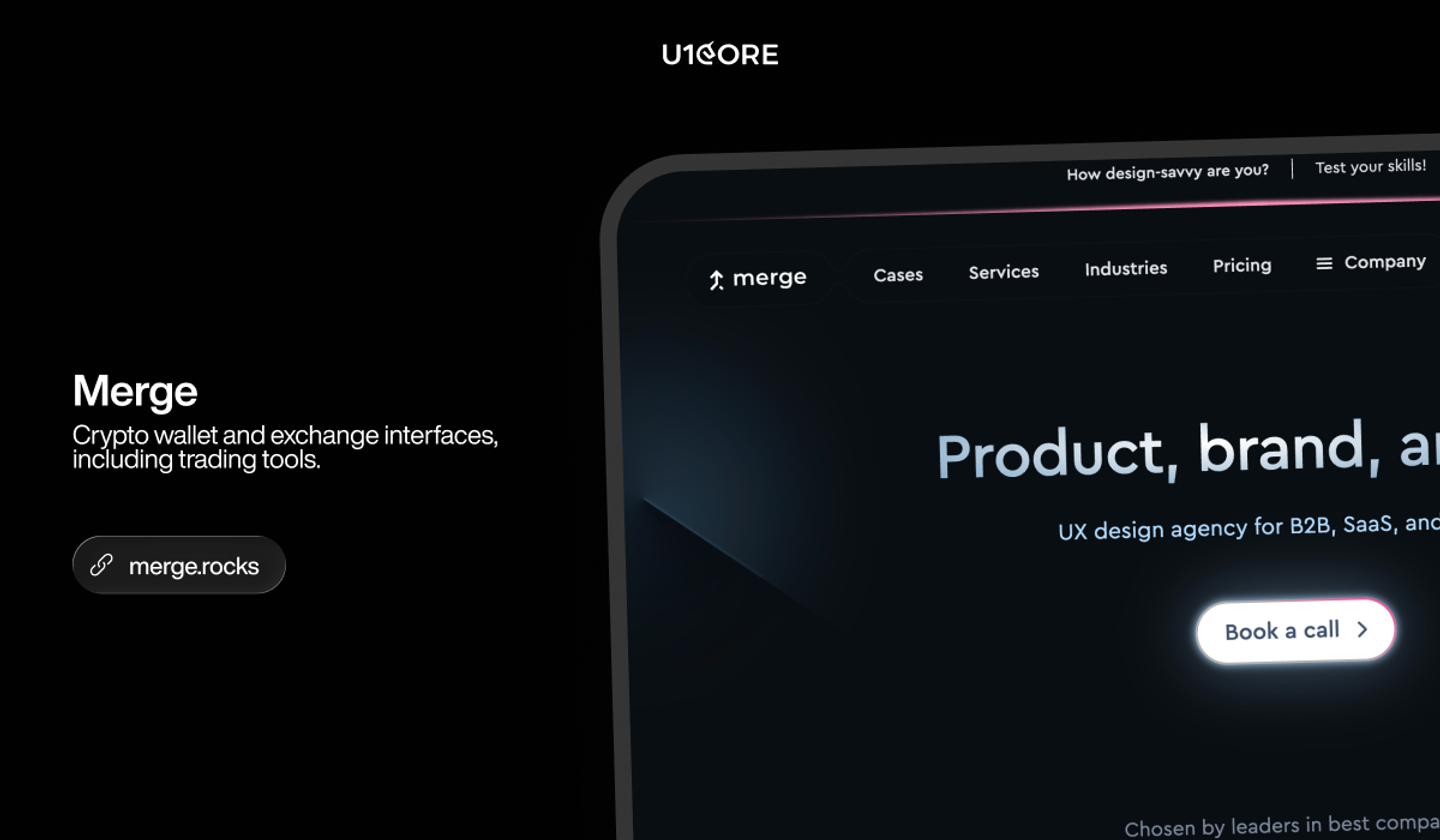
Best for: Crypto wallet and exchange interfaces, including trading tools.
Merge is a design and development agency with roots in Tallinn, Estonia, working on wallets and exchange interfaces.
6. Arounda
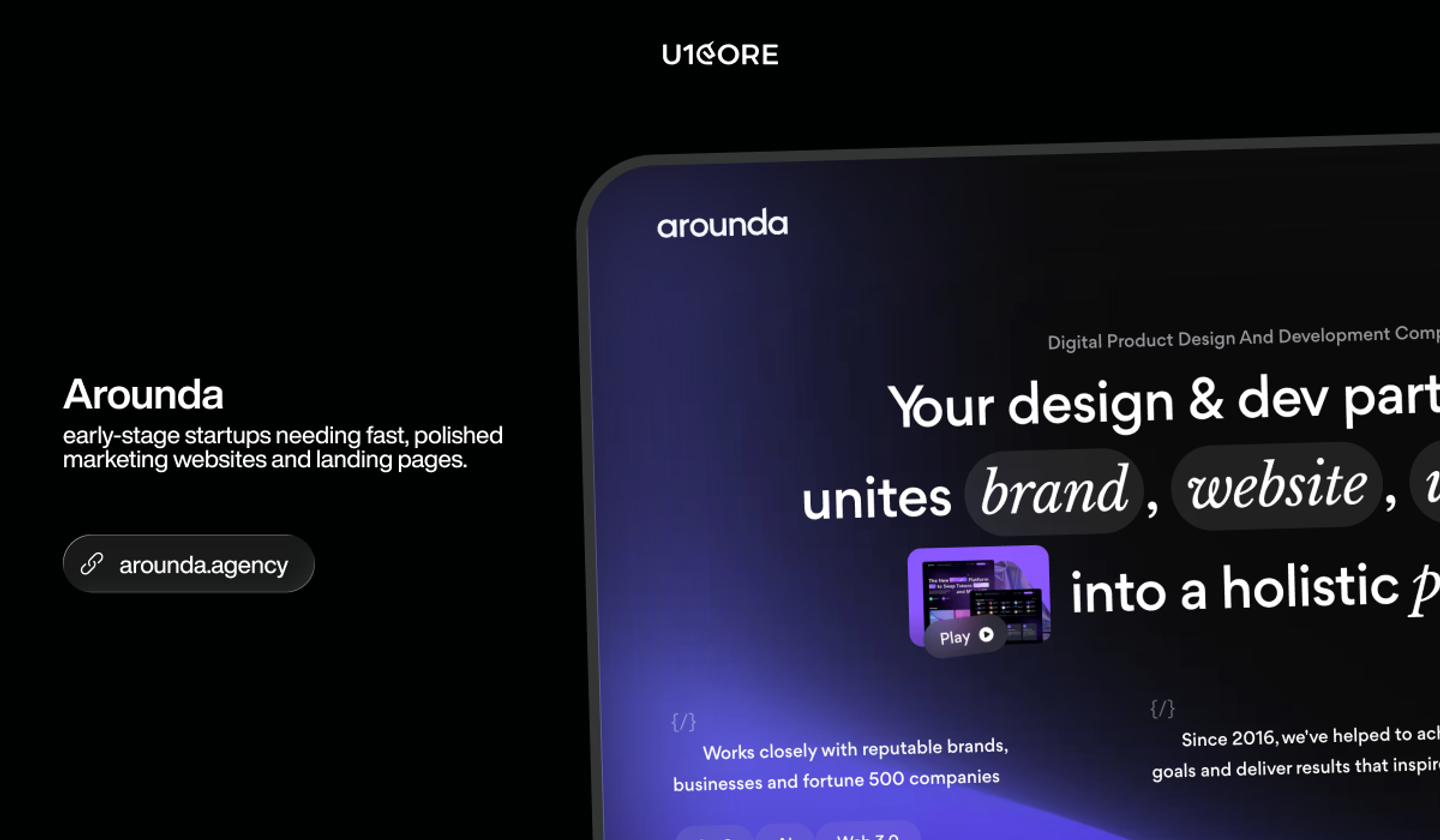
Best for: Growth-stage DeFi and Web3 teams that want brand, UX/UI and web development together.
Arounda is a product design agency with a dedicated Web3 practice for blockchain and fintech companies.
7. Koncepted
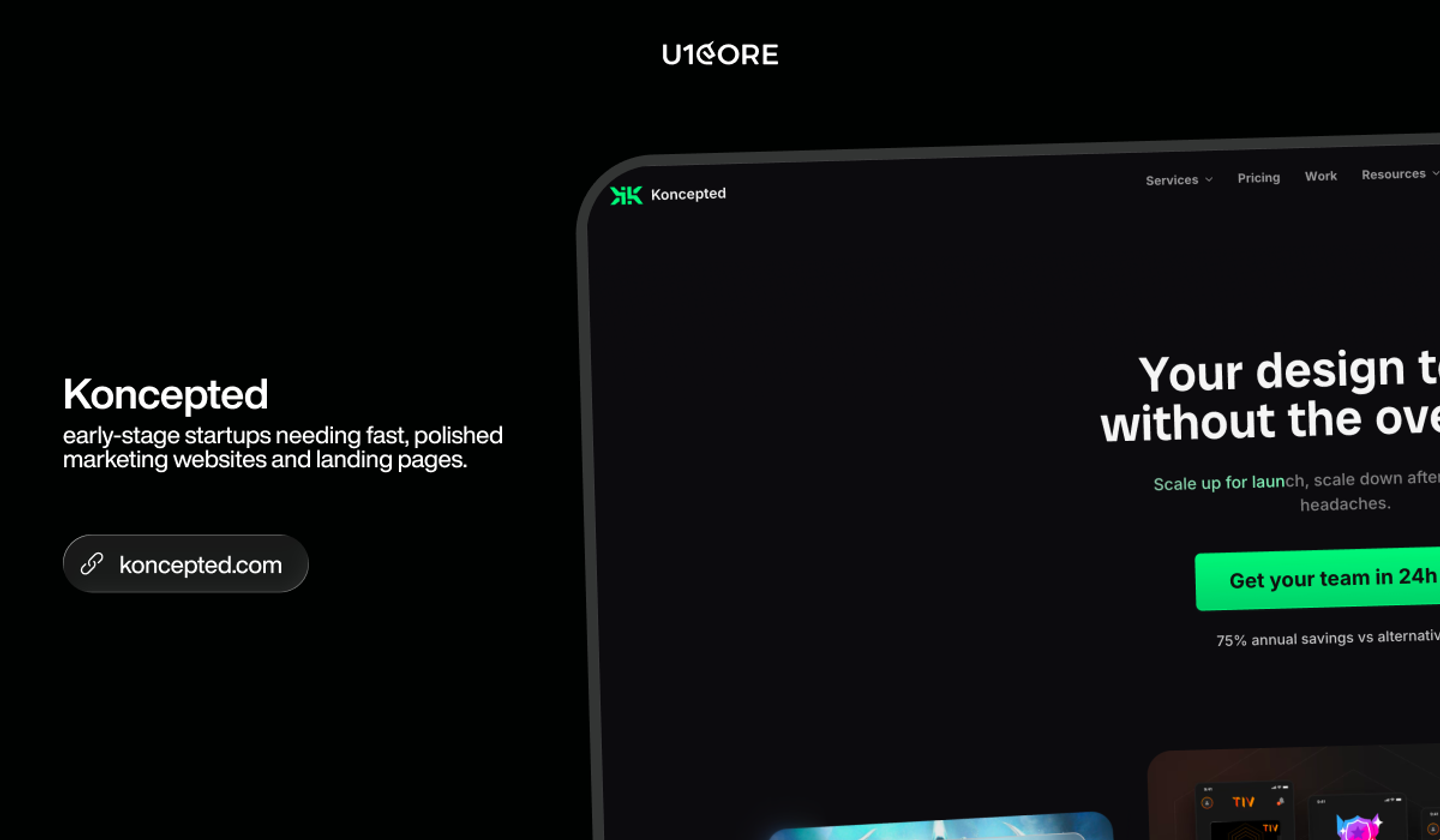
Best for: Web3 and gaming teams that prefer subscription-based design support.
Koncepted is a design agency that works with Web3, gaming and fintech companies on a subscription model.
Agency comparison at a glance
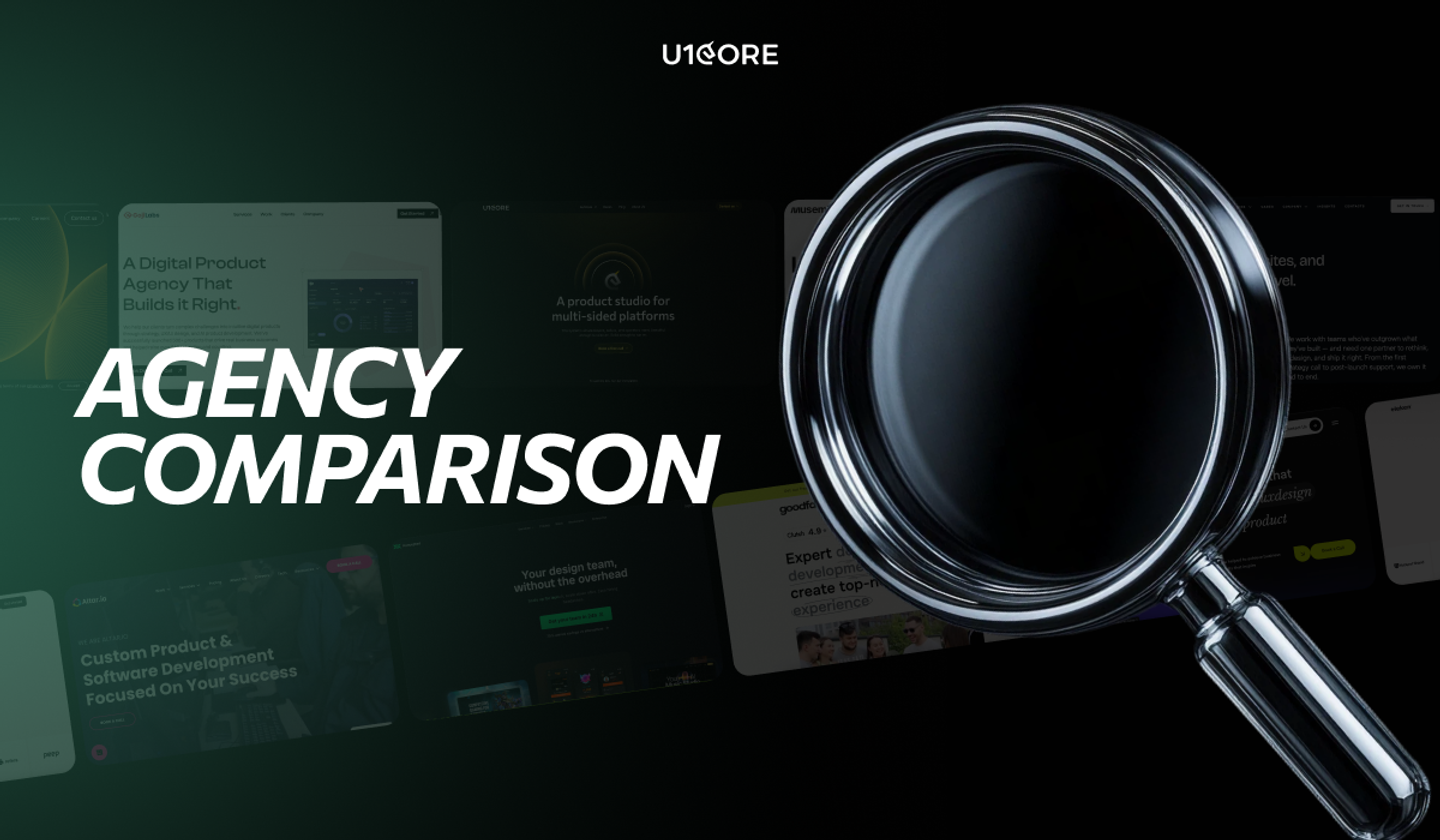
- U1CORE — Web3 product strategy, UX/UI and development in one team. Best fit for established wallets and crypto-finance products that handle real funds.
- Clay — Brand and digital product. Best fit for large brands planning a full overhaul.
- 10Clouds — Blockchain design and engineering. Best fit for teams that need smart contract development alongside UX.
- Lazarev.agency — Research-led product design. Best fit for wallets and asset platforms focused on interaction quality.
- Merge — Wallet and exchange UX. Best fit for trading and exchange interfaces.
- Arounda — Brand, UX and web for Web3. Best fit for growth-stage DeFi teams.
- Koncepted — Subscription design. Best fit for Web3 and gaming teams with ongoing design needs.
How U1CORE approaches Web3 product design
- Product and flow audit (1–2 weeks). We map wallet, onboarding, signing and transaction flows, using analytics, support tickets and on-chain failure data to find where users leave.
- Trust and risk mapping (1 week). With your product, security and compliance leads, we define which actions need confirmation, what users must understand before signing, and where KYC or fiat steps belong.
- UX and UI redesign (3–6 weeks). We design signing summaries, transaction states, recovery paths and portfolio views, and test them with real users before development starts.
- Build and integration (timeline depends on scope). Our developers implement the interface, wallet integrations and fiat flows, so design decisions survive contact with the protocol.
- Measure and iterate. After launch we track connection success, signature completion, failed transaction recovery and retention, and refine the flows that still lose users.